Ehime Prefecture · Shikoku · Japan

Matsuyama Unhurried

Castles, onsen and island life in the heart of Ehime

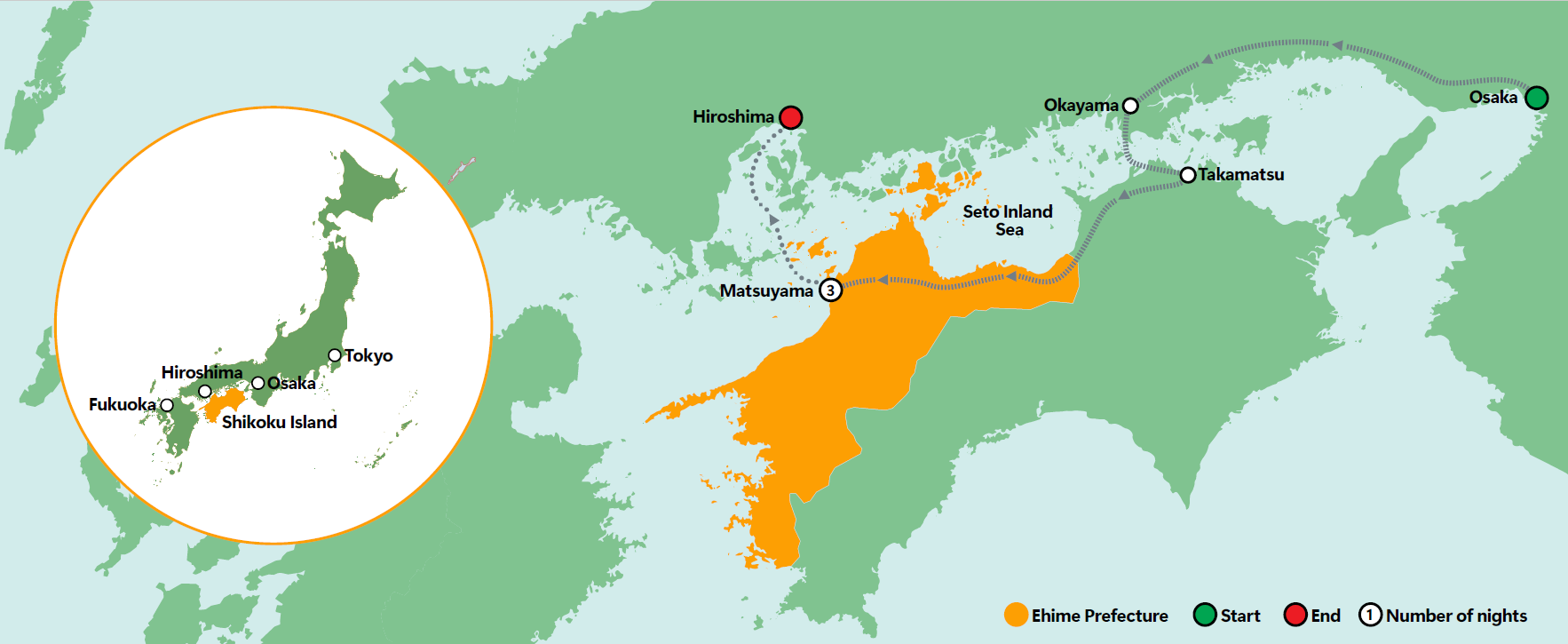
4 days · 3 nights · Osaka → Matsuyama → Hiroshima, Takamatsu or Osaka

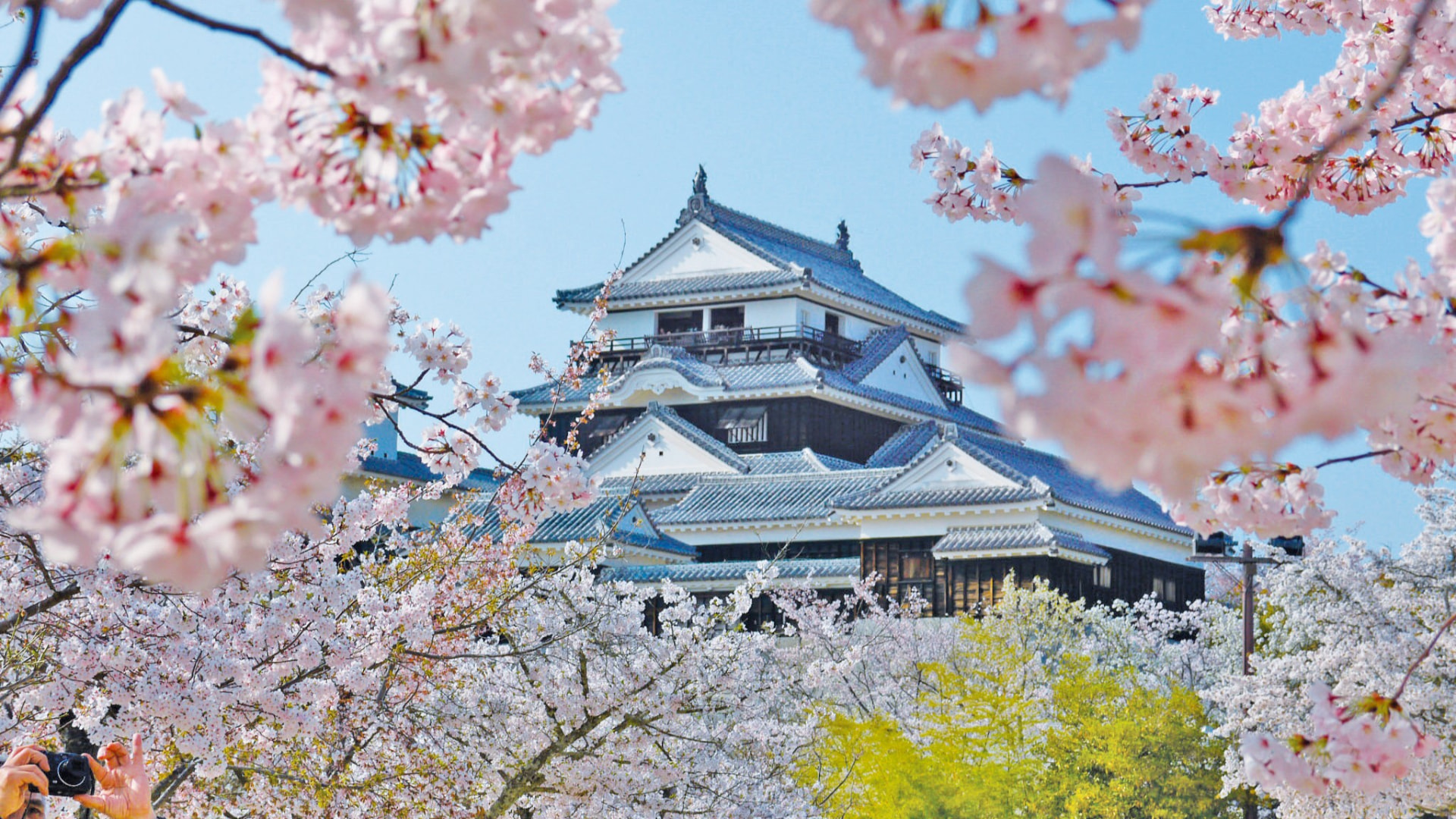
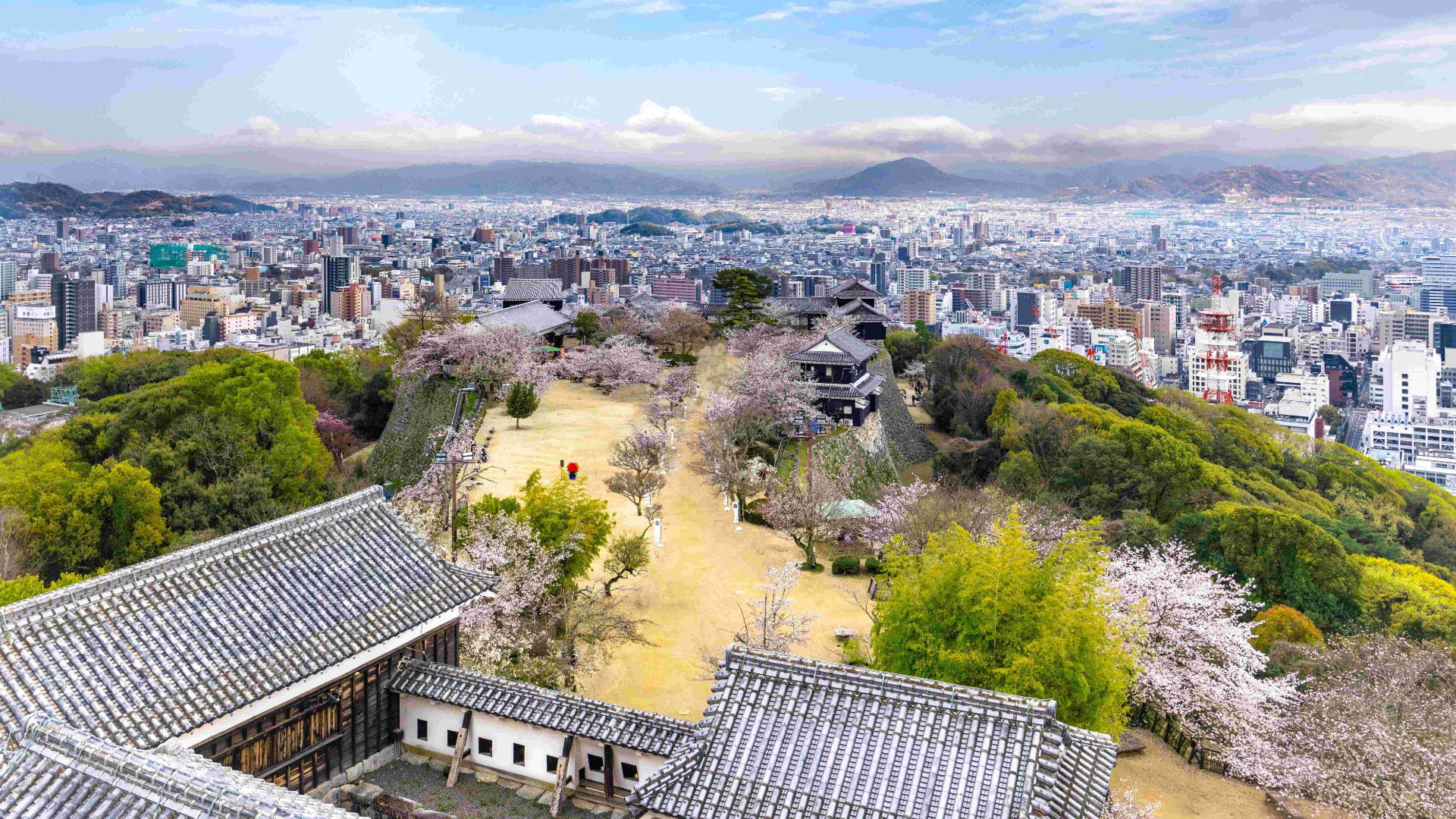
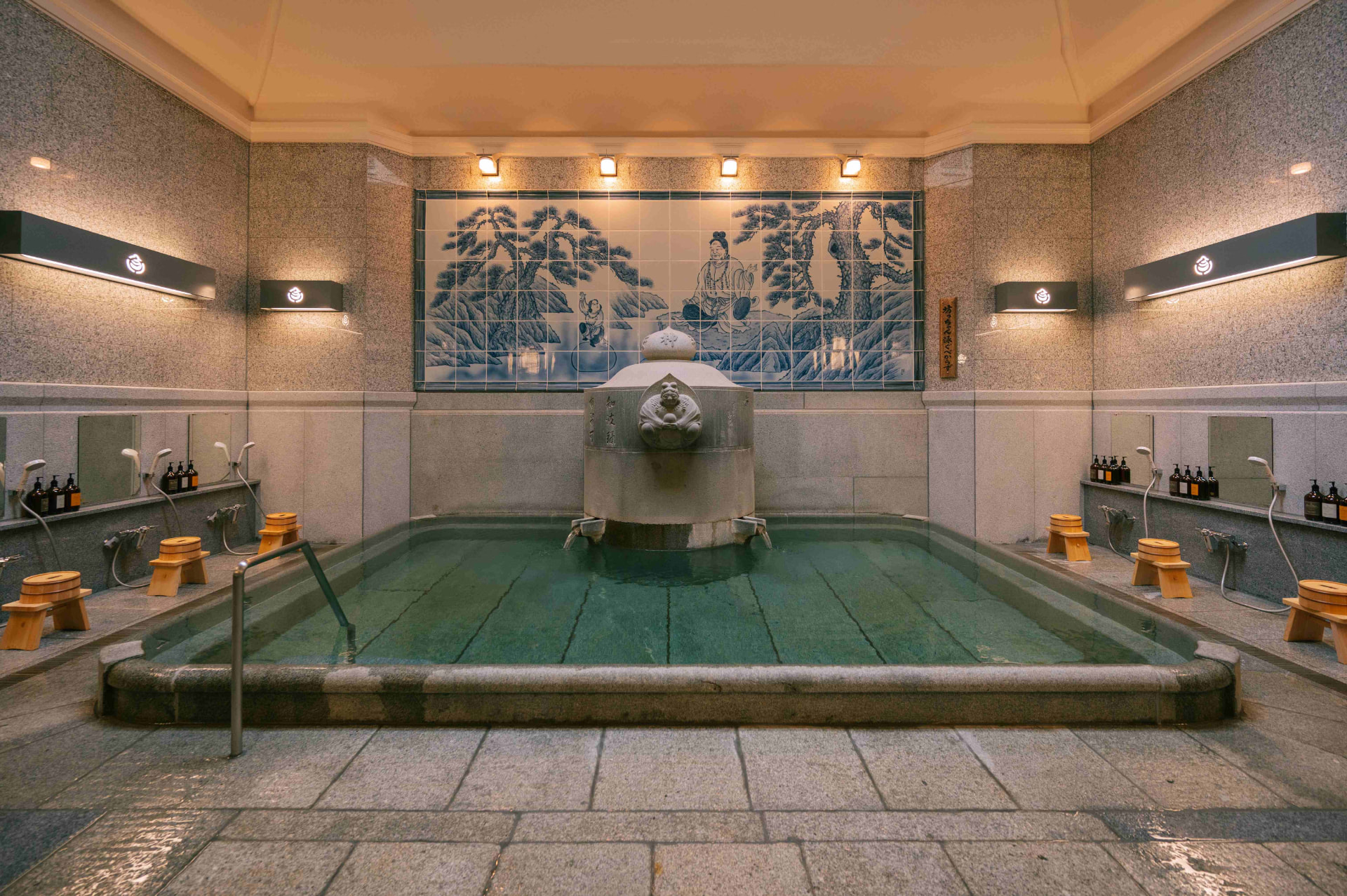
Matsuyama Castle keep framed by cherry blossom against a clear spring skyView from Matsuyama Castle across blossom-filled grounds to the city and mountains beyondKami-no-Yu bathing room at Dogo Onsen Honkan with its tiled mural and stone bath
Duration
4 days / 3 nights
Base
One hotel, three nights
Getting there
3 hrs 45 mins from Osaka
Best for
Slow travellers & first-timers
Map of the Matsuyama Unhurried route: start in Osaka, via Okayama and Takamatsu to Matsuyama in Ehime Prefecture for three nights, ending in Hiroshima

Set between the mountains and the Seto Inland Sea, Ehime's capital brings together many of the experiences travellers come to Japan hoping to find - an original feudal castle, one of the country's oldest hot springs, atmospheric temples, neighbourhood cafés, local food and traditions that remain part of everyday life.

Yet Matsuyama is compact, relaxed and wonderfully easy to explore. Historic trams wind between the city centre and Dogo Onsen, pilgrims still make their way through town on the 1,200-kilometre Shikoku Pilgrimage, and within a short journey you can leave the city behind for beaches and island villages.

With three nights in one base, there's no need to rush. Unpack once and discover a quieter, more intimate side of Japan.

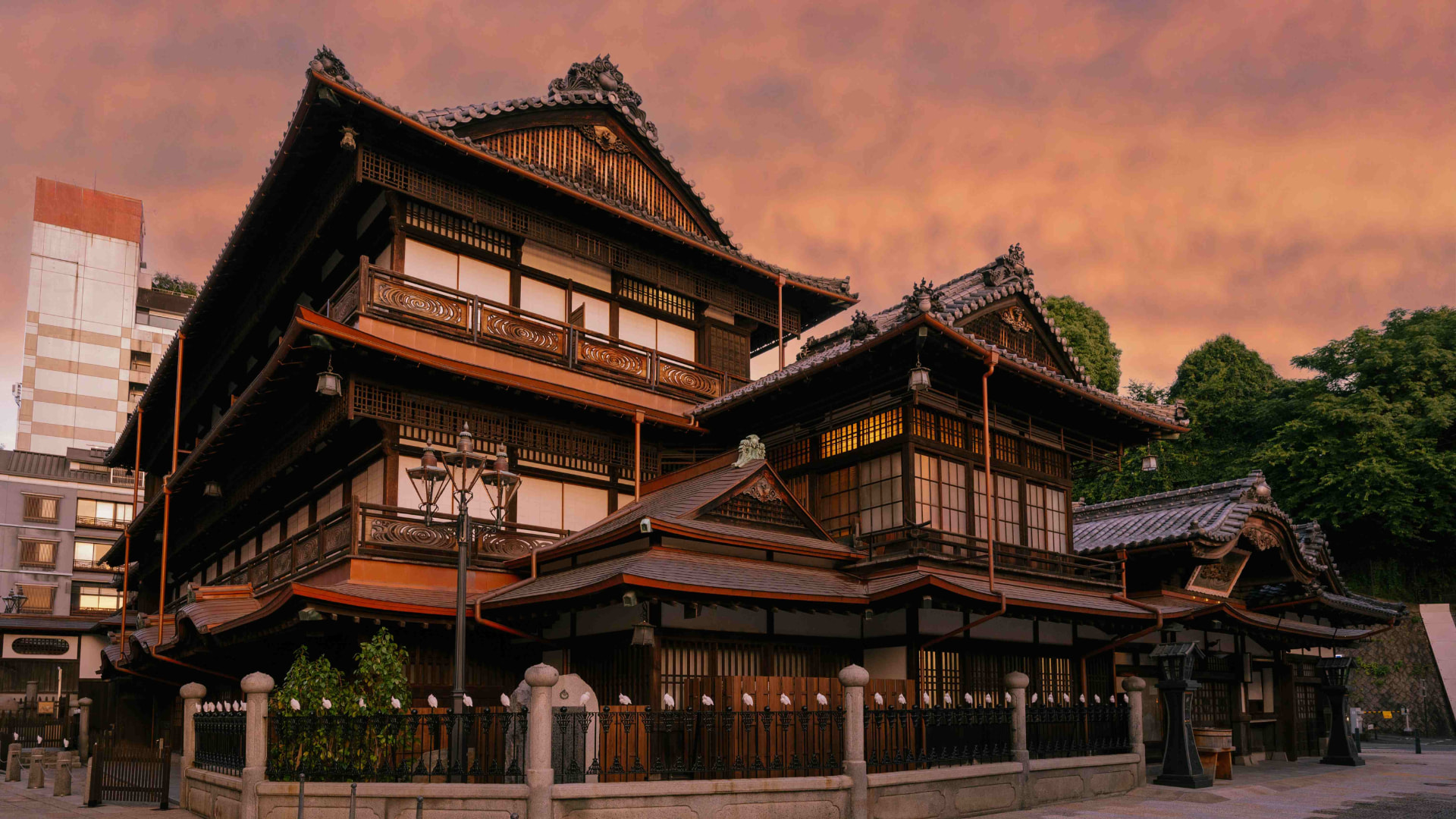
Dogo Onsen Honkan, the historic wooden bathhouse in Matsuyama, lit at dusk under a pink sky
DAY 1

Cross the Seto Inland Sea to Matsuyama

Castle views, local streets and your first taste of Ehime

Osaka → Matsuyama · 3 hrs 45 mins by train

Travel by train from Osaka via Okayama before crossing the spectacular Seto Ohashi Bridge. Look out across a landscape of islands scattered through calm blue water before continuing through rural Shikoku towards Ehime.

Choose between staying in central Matsuyama, close to restaurants, shopping and the castle, or make Dogo Onsen your base for three nights and experience the atmosphere of Japan's oldest hot spring district each morning and evening.

Spend the afternoon exploring Matsuyama Castle, dramatically positioned on Mount Katsuyama above the city. Rather than a modern reconstruction, it is one of just 12 original castle keeps remaining in Japan. Ride the ropeway or open-air chairlift towards the summit, then continue on foot through the grounds before stepping inside the historic wooden keep. From the top, the reward is a sweeping view across Matsuyama towards the islands of the Seto Inland Sea.

Back below, wander through Ropeway Street and Okaido, stopping for coffee, local sweets or dinner as the city moves into evening.
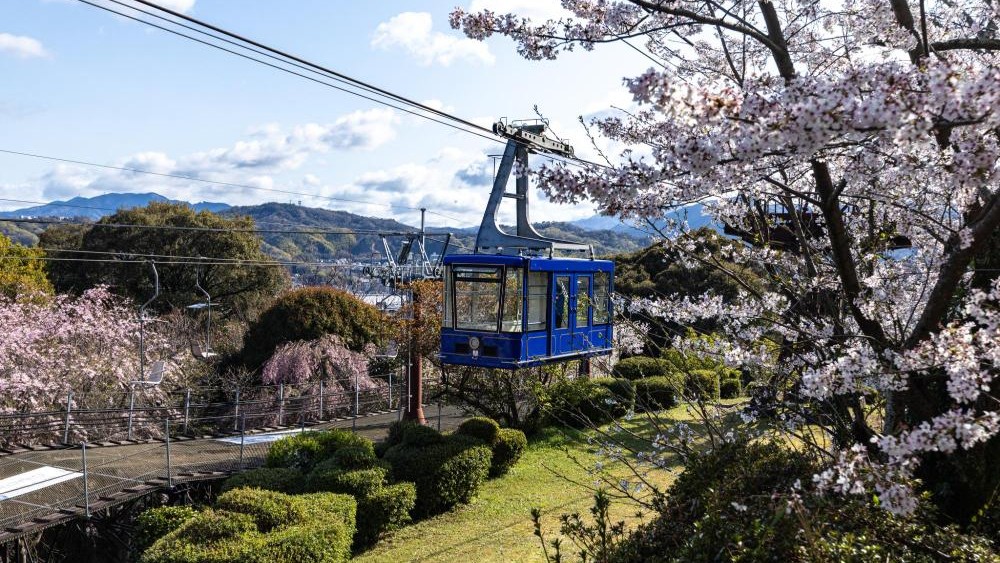
Blue Matsuyama Castle ropeway cabin rising through cherry blossoms towards Mount Katsuyama
Matsuyama Castle

One of only 12 original keeps left in Japan, reached by ropeway or chairlift.
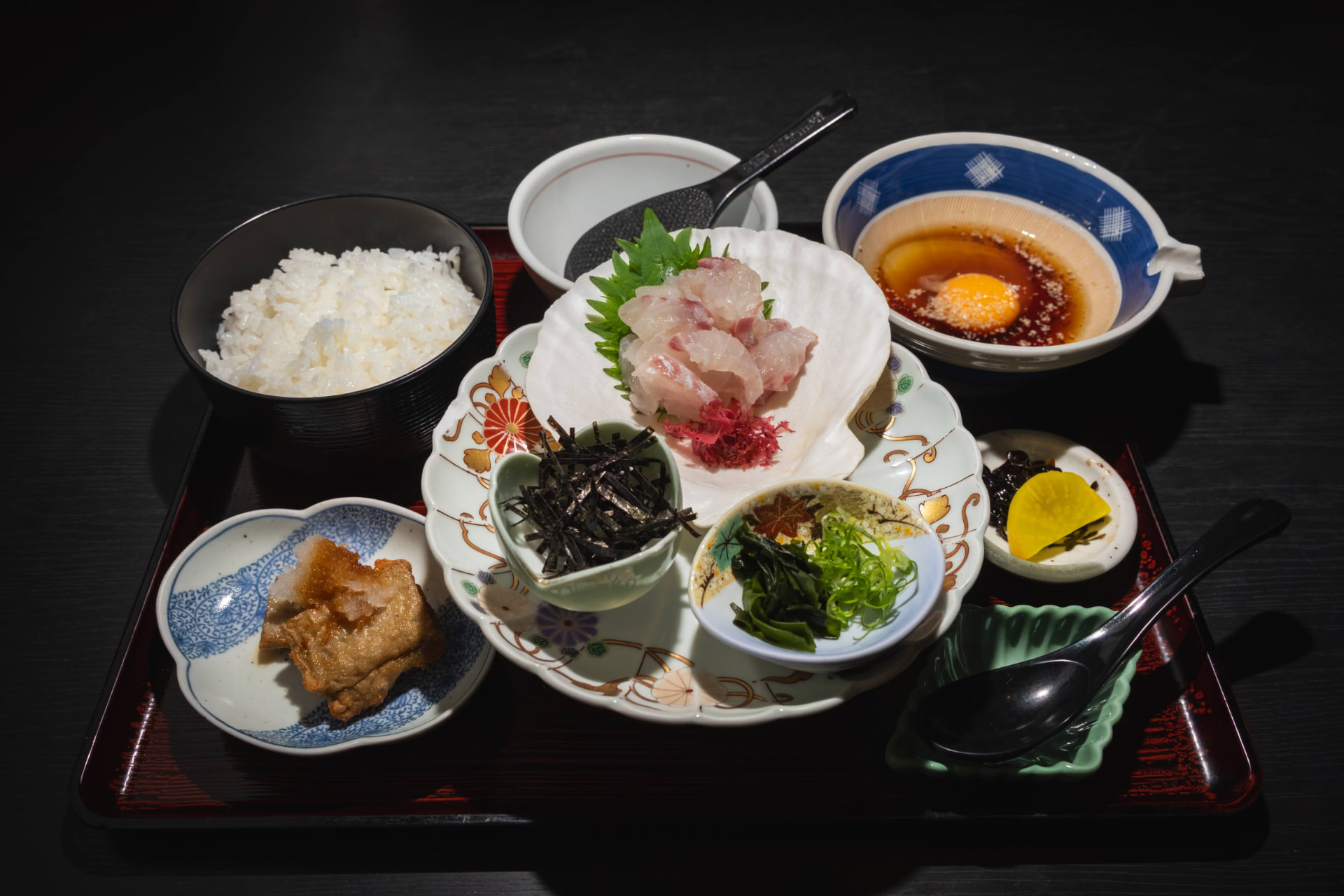
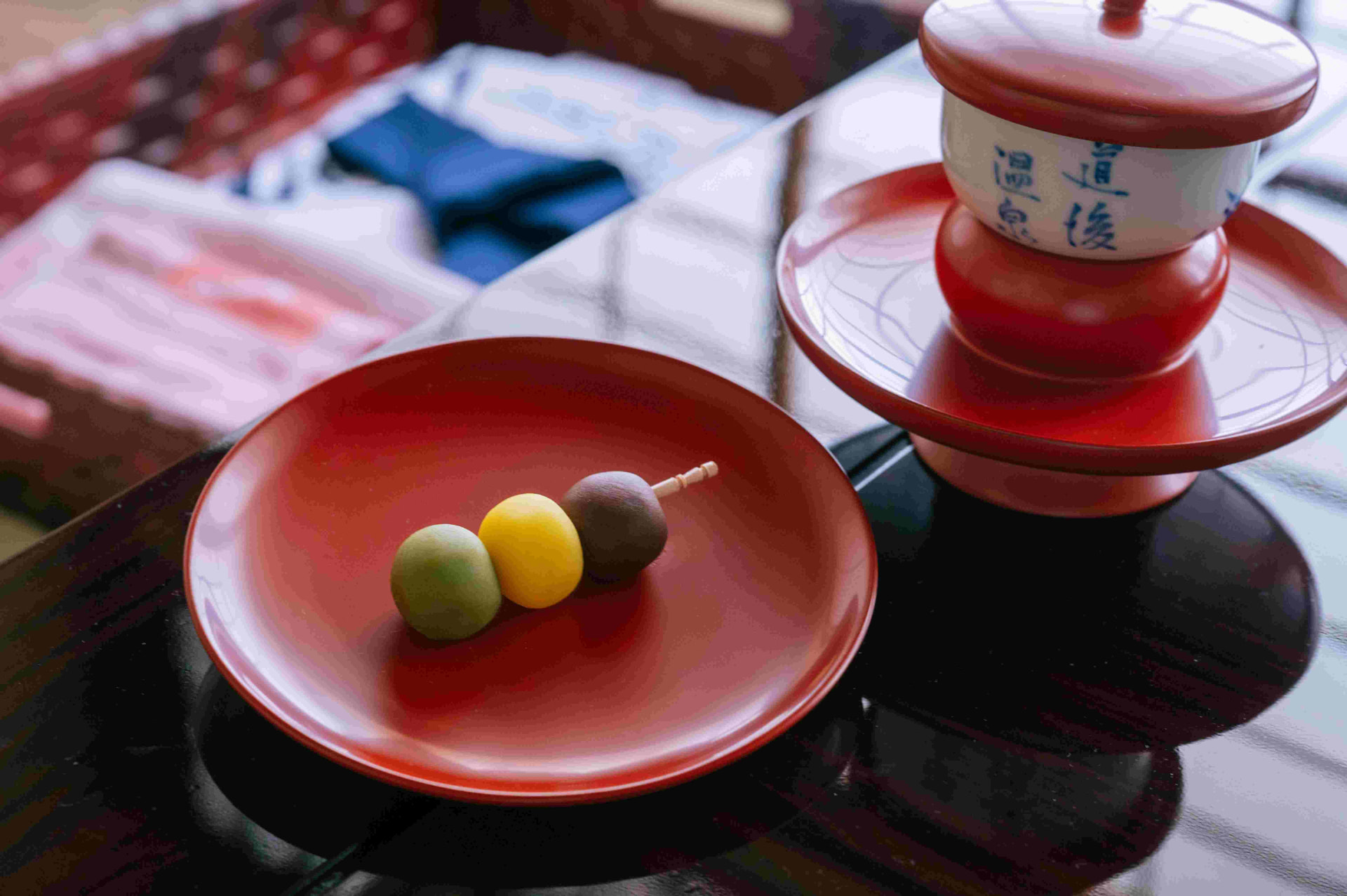
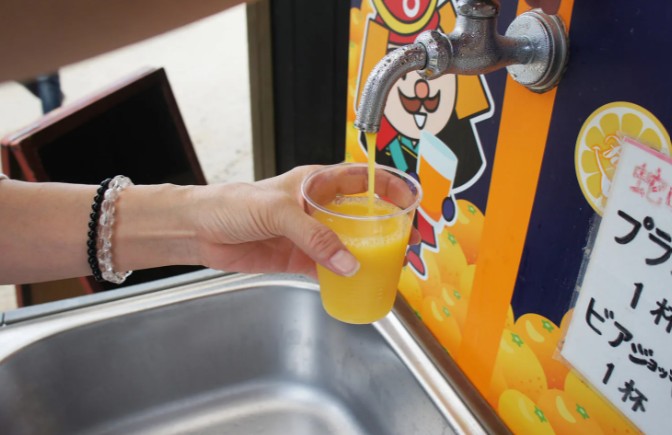
Tai-meshi set meal with sashimi, rice and small side dishesThree-coloured Botchan dango on a red lacquer plate with Dogo Onsen teacupsFresh mikan juice poured from a citrus tap in Matsuyama

Local cuisine: what to try in Matsuyama

Matsuyama sits between mountains, citrus-growing countryside and the Seto Inland Sea, and its food reflects all three.

  • Tai-meshi (sea bream rice) — sea bream cooked over rice with dashi — Ehime's signature dish. Two styles to try:
    1. Matsuyama style (cooked sea bream)
    2. Uwajima style (raw sea bream with a soy-based sauce, mixed with raw egg)
  • Jakoten — lightly fried fish cakes made from small whole fish, crisp outside and tender inside. Great as a snack or with sake.
  • Goshiki somen — five-coloured thin noodles, a Matsuyama specialty served chilled with dipping sauce.
  • Ehime sweets — Botchan dango, three-coloured sweet dumplings inspired by Soseki's novel Botchan, a classic treat near Dogo Onsen — or Nonoji tart, sponge cake with a yuzu red bean filling.
  • Mikan & citrus everything — Ehime is Japan's citrus capital. Look for fresh juice, mikan soft-serve, citrus daifuku and craft cocktails.
  • Imabari yakitori — grilled chicken pressed flat on a hot plate, a regional take from neighbouring Imabari found on many Matsuyama menus.
  • Ehime sake — (adults only) try labels like NIKITATSU from Matsuyama's Minakuchi Shuzo, or Ishizuchi from Ishizuchi Shuzo in Saijo City.
DAY 2

Slow down in Dogo Onsen

Step into more than 3,000 years of hot spring culture

Central Matsuyama → Dogo · 25 mins by historic tram

Dogo Onsen is one of Japan's oldest and most famous hot spring districts, known for its historic bathhouses and lively streets lined with shops, cafés and traditional ryokan. It's the perfect place to slow down, soak in the healing waters and experience the traditions of Japanese onsen culture.

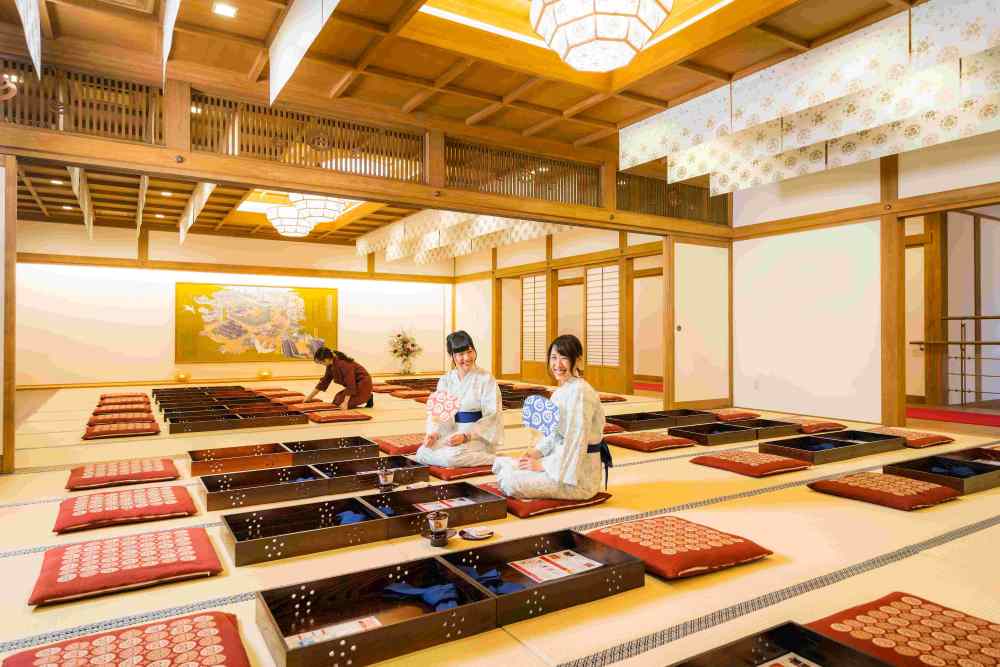
At its heart is the magnificent Dogo Onsen Honkan. The current wooden bathhouse dates from 1894 and has become one of Matsuyama's most recognisable landmarks — one of three public onsen to choose from. The second is Asuka-no-Yu, where a 90-minute experience includes yukata rental, a hot spring bath and time relaxing in a tatami room with tea and sweets. For a more local feel, Tsubaki-no-Yu offers a glimpse of everyday neighbourhood bathing culture.

Between baths, explore the covered Dogo shopping arcade and sample some of Ehime's best-known flavours. Try Matsuyama's colourful Botchan Dango, discover just how many ways Ehime can celebrate its famous citrus, or stop for a locally brewed Dogo Beer. Watch the Botchan Karakuri Clock spring into life, soak your feet in one of the free footbaths, or walk uphill to the Dogo Onsen Sky Walkway, where another footbath comes with views across the rooftops below.

For a deeper introduction, join a private tour of Dogo Onsen and discover the stories, architecture and traditions behind this extraordinary place, including areas of the historic bathhouse normally closed to the public. Then, as evening arrives, do what generations of visitors have done before you — head back to the hot springs for another soak.

Tatami resting room at Dogo Onsen Annex Asuka-no-Yu with visitors in yukata seated on cushions
Three public bathhouses

Honkan for history, Asuka-no-Yu for yukata and tatami, Tsubaki-no-Yu for local life.

Arcade tasting

Try Botchan Dango, Ehime citrus in every form, or visit the historic Minakuchi Sake Brewery to sample local sake or a glass of Dogo Beer.

DAY 3

Step onto the Shikoku Pilgrimage

Temples, legends and a tradition still alive today

Dogo Onsen → Ishite-ji · 15 mins on footMuseums in central Matsuyama · 20 mins by tram

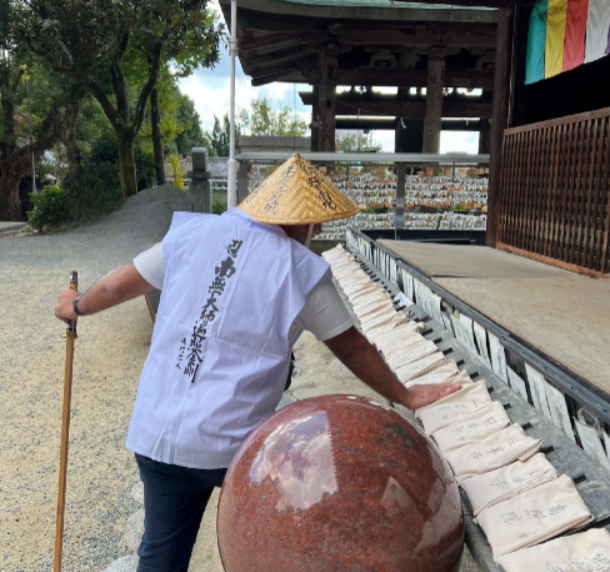
The Shikoku 88 Temple Pilgrimage has drawn pilgrims around the island for centuries, following a route associated with the Buddhist monk Kobo Daishi. Even today, pilgrims can be spotted travelling through Ehime in their distinctive white clothing, woven hats and wooden staffs.

In Matsuyama you can easily experience a small part of this centuries-old trail. From Dogo Onsen it's around a 15-minute walk to Ishite-ji, Temple 51 of the pilgrimage. Pass through the temple's imposing gate to discover historic buildings, a three-storey pagoda and one of Ishite-ji's most intriguing features — its cave tunnel. Step into the narrow, dimly lit passage, where stone carvings, small statues of Kobo Daishi and votive offerings line the way. The journey through the darkness is symbolic of reflection and renewal before you emerge back into daylight.

The story behind the name adds another layer. Meaning "Stone Hand Temple", Ishite-ji is linked to the legend of Emon Saburo, a wealthy man who set out around Shikoku in search of Kobo Daishi to seek forgiveness and is regarded as the pilgrimage's first pilgrim. Legend says he was later reborn in Ehime as a baby clutching a small stone in his hand. The temple also offers its own miniature pilgrimage: where osuna-fumi elsewhere means walking over sacred soil from all 88 temples, Ishite-ji has an osuna-nade tradition, touching each of the 88 representations in turn.

Spend the rest of the afternoon following your interests — explore more of Matsuyama, visit the Ehime Museum of Art, or discover the striking Saka no Ue no Kumo Museum, designed by architect Tadao Ando. On the walk back towards Dogo, stop at Isaniwa Shrine, perched above the neighbourhood at the top of a dramatic flight of stone steps. Or simply return to Dogo early — when you're staying in one of Japan's great onsen towns, there's always time for another bath.

A white-clad pilgrim in a woven hat with a wooden staff at a temple hall, beside rows of sutra bags
Ishite-ji cave tunnel

A long, dim stone passage of carvings and offerings, symbolic of renewal.

Isaniwa Shrine

Isaniwa Shrine - one of Japan's finest examples of traditional Hachiman-zukuri architecture and descend its dramatic stone staircase to reach Dogo Onsen.

DAY 4

Escape to island life

Cycle quiet roads beside the Seto Inland Sea

Matsuyama → Takahama Port · 20 mins by local trainTakahama → Gogoshima Island · 15 mins by ferryIsland cycling · 1–3 hrs, bicycle or e-bike

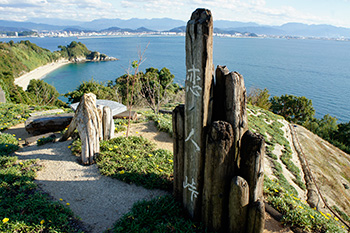
For your final morning, swap city streets for a tiny slice of island life. Take the local train to Takahama Port (20 mins) and board the short ferry (15 mins) across to Gogoshima Island.

Hire a bicycle or e-bike and follow quiet coastal roads past small fishing villages, beaches, citrus orchards and views across the Seto Inland Sea. Choose a gentle ride along the coast or explore further into the island.

Return by ferry to Matsuyama and continue onwards to Hiroshima, Takamatsu or Osaka.

A coastal path on Gogoshima Island with carved wooden posts overlooking a bay and the Seto Inland Sea
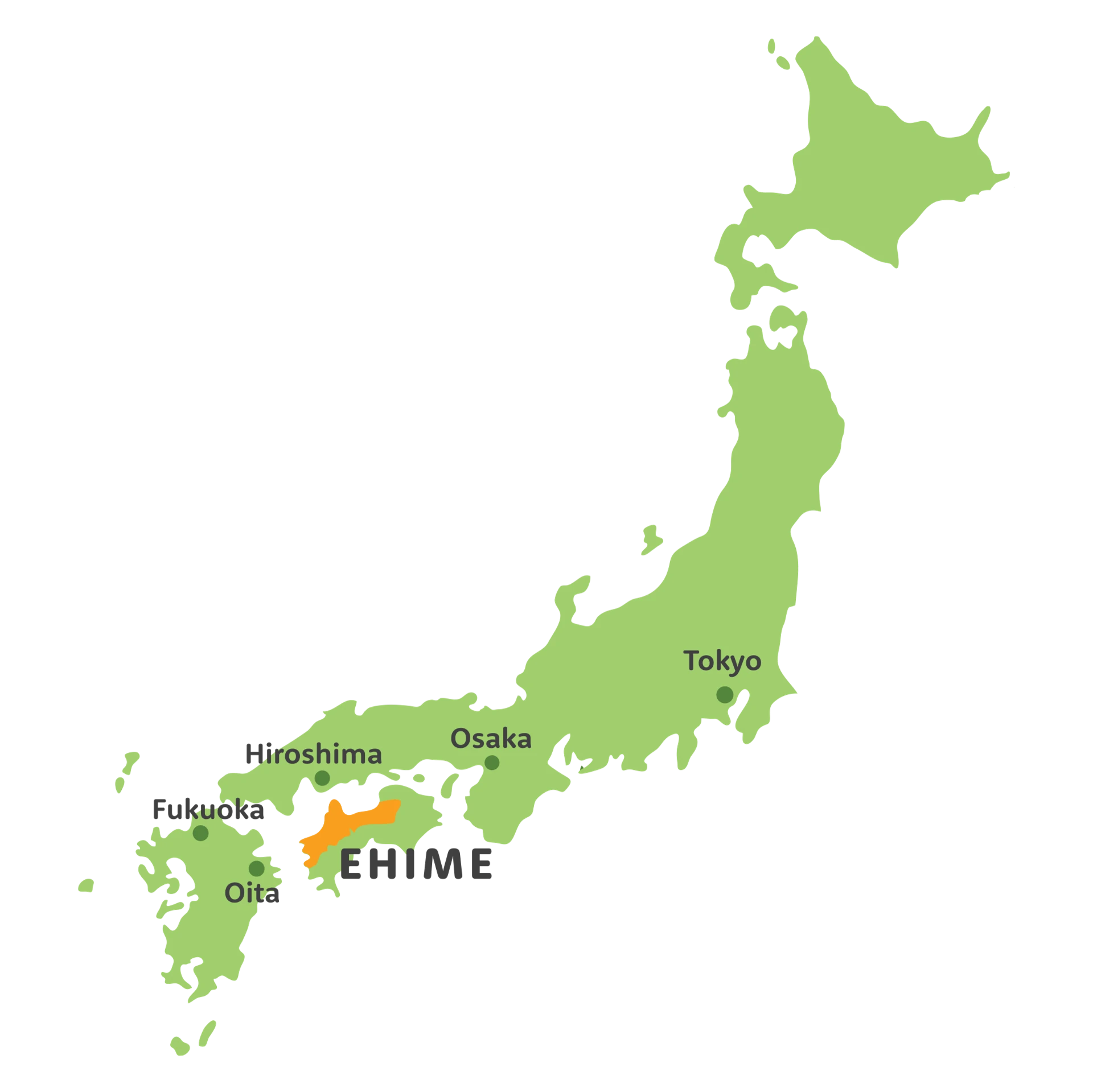
Map of Japan highlighting Ehime Prefecture on Shikoku, with Hiroshima, Osaka, Fukuoka, Oita and Tokyo marked
Explore more

Ready to experience Ehime?

Ehime is easy to include in a wider Japan itinerary, but the best experiences often require local knowledge and careful planning. From cycling the Shimanami Kaido and staying in traditional ryokan to navigating ferries, trains and mountain hikes, a travel advisor can help create a seamless journey tailored to your interests.

Speak with your local travel advisor about including Ehime Prefecture in your next Japan holiday or take a look at our other itineraries: